Installed cost ranges by sauna type
Infrared saunas generally have the lowest entry cost because many models arrive as a finished cabin and use simpler electrical service. Traditional indoor saunas add a heater, heat-safe interior, ventilation planning, and often a dedicated 240-volt circuit. Outdoor projects add a weatherproof structure, foundation, power run, drainage, and site access.
- Infrared indoor: roughly $3,500–$9,000
- Traditional indoor: roughly $7,000–$16,000
- Outdoor or backyard: roughly $12,000–$28,000+
The costs homeowners most often miss
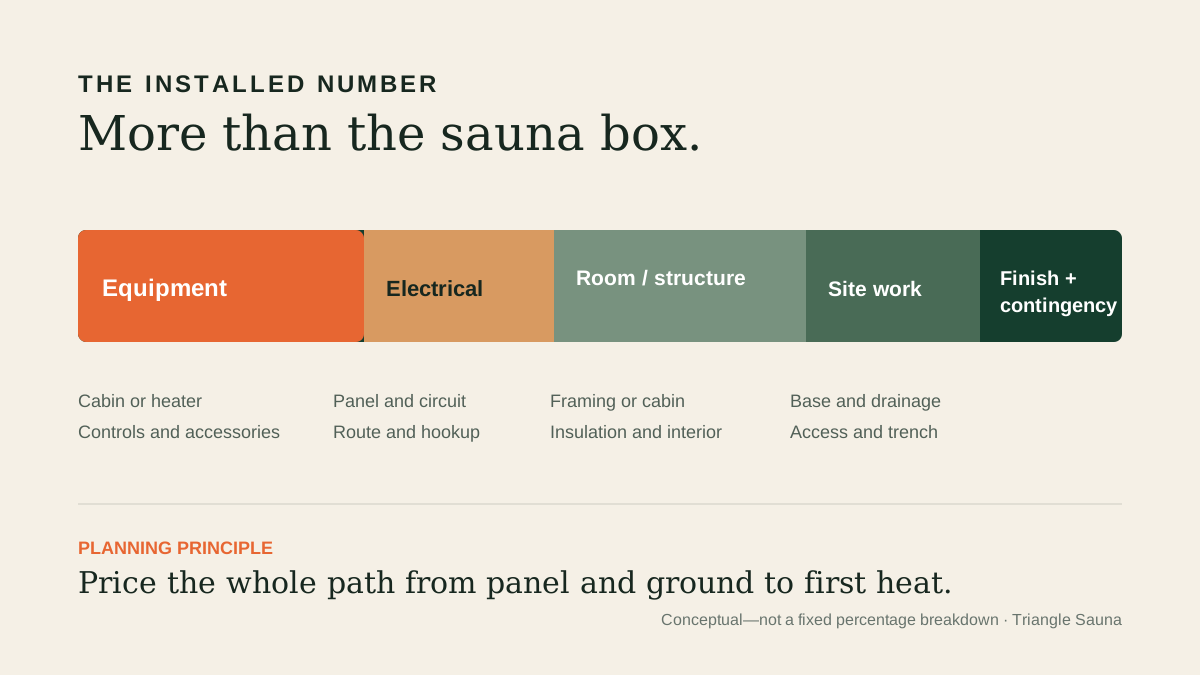
A retailer price rarely includes every trade needed at the house. Before comparing quotes, ask what is included and what will be handled separately.
- Electrical panel capacity, a dedicated circuit, disconnects, and the distance of the wire run
- Framing, insulation, vapor management, interior wood, benches, flooring, and trim
- A slab, gravel pad, footings, drainage, grading, or a path for outdoor delivery
- Permit research, inspections, demolition, painting, and finish work outside the sauna
Continue planning:Plan the electrical scope →Check Triangle permit questions →
What changes the final price in the Triangle
Older homes may need more electrical investigation or careful interior retrofits. Newer planned communities can make access easier but may add architectural-review requirements for an outdoor structure. Long cable runs, sloped lots, narrow gates, and custom glass or millwork all raise the range.
- Size and number of users
- Indoor versus outdoor placement
- Heater size and controls
- Cedar, thermally modified wood, glass, and custom details
- Distance from the electrical panel and site accessibility
How to set a useful planning budget
Start with the experience and location, then price the room around those choices. Keep a contingency of roughly 10–15% for conditions that cannot be confirmed until a professional sees the space. Get written clarity on exclusions before treating a number as an all-in estimate.
Continue planning:Use the detailed cost calculator →Request project-specific quotes →
Common questions
What homeowners ask next
Is an infrared sauna cheaper to install?+
Usually. Many infrared cabins need less construction and lower electrical capacity, though premium units and room modifications can narrow the difference.
Does a home sauna add value?+
It may improve enjoyment and appeal to the right buyer, but homeowners should treat it primarily as a lifestyle improvement rather than assume a guaranteed return.
Should I budget for an electrician separately?+
Yes unless the installer explicitly includes licensed electrical work. Traditional heaters commonly need a dedicated 240-volt circuit sized to the selected equipment.
Sources and further reading
Requirements can change. Use these official pages to verify current information for your address.
Costs and requirements vary by property, equipment, and jurisdiction. Confirm current requirements with the manufacturer, licensed trades, HOA where applicable, and the authority responsible for your address.